
Back Pain: A Comprehensive Guide to Causes & Integrated Treatment Solutions

Is Your Back Pain... Common Symptoms to Look For
- Location & Sensation: A dull, aching, or sharp pain located in the lower back, on one or both sides.
- Timing: Stiffness and pain that is worse in the morning and may ease after moving around.
- Triggers: Increased pain after prolonged sitting, standing, or bending over.
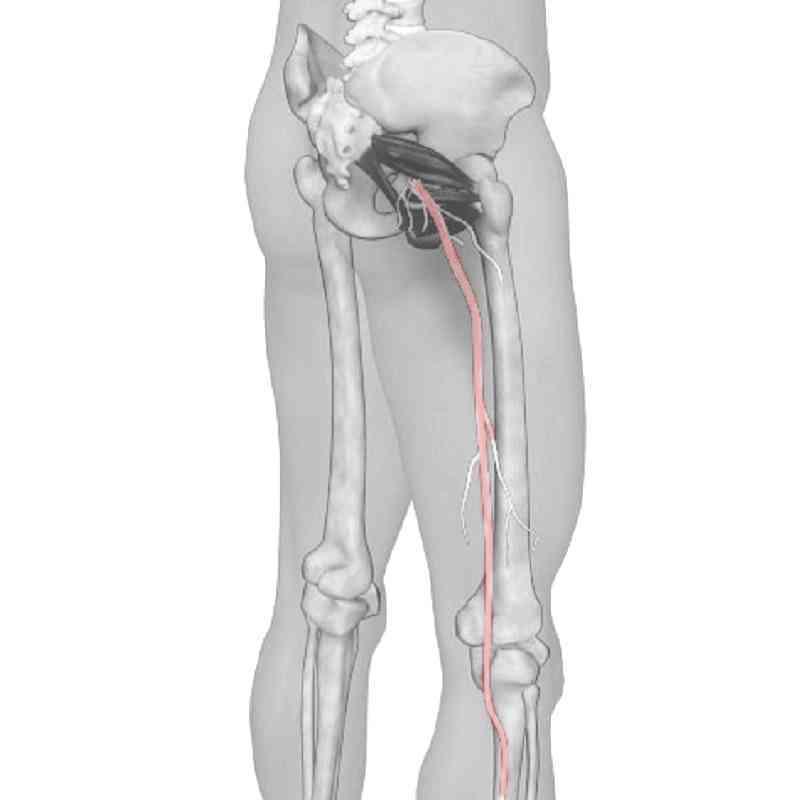
- Radiating Pain: Pain that travels down into the buttock or the back of the leg (a classic sign of sciatica).
- Functional Difficulty: Difficulty changing positions, such as standing up from a sitting position.
- Aggravating Actions: A sharp pain in the back when coughing, sneezing, or straining.
Important: When to Seek Immediate Medical Attention (Red Flags)
- Cauda Equina Syndrome: Loss of bladder or bowel control, or numbness in the "saddle" area (the part of your body that would touch a saddle).
- Unexplained Symptoms: Fever, chills, or significant, unintentional weight loss.
- History of Major Trauma: Severe back pain following a major accident, such as a car crash or a fall from a height.
- Progressive Neurological Symptoms: Worsening weakness or progressive loss of sensation in both legs.
Acute vs. Chronic Back Pain: What's the Difference in Treatment?
Common Causes of Back Pain: It's More Than Just Muscle Fatigue
-
Muscle & Ligament Issues:
-
Acute Lumbar Sprain/Strain: Often from improper lifting or a sudden twisting movement.
-
-
-
Chronic Muscle Strain: Caused by prolonged poor posture and weak core stabilizing muscles.
-
-
Spinal Structure & Joint Issues:
-
Lumbar Disc Herniation: The rupture of a spinal disc, pressing on a nerve root. A common cause of sciatica.
-
Facet Joint Syndrome: Inflammation of the small joints connecting your vertebrae, causing sharp pain, especially on bending backward.
-
-
Degenerative & Other Conditions:
-
Lumbar Osteoarthritis: Wear-and-tear of the cartilage in the spinal joints.
-
Spinal Stenosis: Narrowing of the spinal canal, which can compress nerves.
-
Expert Assessment: An Accurate Diagnosis is the First Step
- Detailed History Taking: Understanding your pain patterns, lifestyle, and work habits.
- Physical Examination: Assessing your posture, spinal mobility, muscle strength, and flexibility.
- Neurological Screening:Testing your sensation, muscle power, and reflexes to check for any nerve involvement.
- Palpation & Special Tests:Using hands-on techniques and specific movements to pinpoint the exact source of your pain.
The Treatment Pathway for Back Pain: Understanding Your Options
-
First-Line Treatment: Physiotherapy & Conservative Care:
-
Pharmacological Treatment (Medication):
-
Interventional & Surgical Options:
Our Integrated Treatment Approach: Your Best Start in First-Line Care
- Manual Therapy: Hands-on techniques to mobilize stiff spinal joints and release tight muscles.
- Electro-physical Agents:Use of modalities like ultrasound or shockwave therapy to reduce pain and promote tissue healing.
- Application: Acupuncture Physiotherapy: Our physiotherapists are certified to perform acupuncture. For back pain, it effectively reduces pain, releases deep muscle tension, and improves blood flow to accelerate healing.
- Therapeutic Exercise & Rehabilitation: A customized program of core strengthening exercises (e.g., bridging, bird-dog) to stabilize the spine.
- Postural & Ergonomic Education: Professional advice on correct sitting, sleeping postures, and workstation setup.
Special Focus: The Link Between Back Pain and Sciatica
What Can I Do at Home for Back Pain Flare-Ups?
- Stay Gently Active: Avoid prolonged bed rest. Light walking within tolerable limits helps maintain mobility.
- Ice or Heat Therapy:
- Acute Phase (first 48-72 hrs): Apply an ice pack for 15 minutes.
- Chronic Phase: For muscle tightness, a heat pack for 15-20 minutes can help.
- Gentle Relief Exercises:
- Knee-to-Chest Stretch:Lie on your back and gently pull one or both knees towards your chest.
- Cat-Cow Stretch: On all fours, gently alternate between arching and rounding your spine.
Frequently Asked Questions (FAQ)
Q1: Do I need to get an X-ray or MRI for my back pain? +
A1: Not usually, mate. For the vast majority of back pain, a thorough physical assessment by one of our physios is more accurate and useful than an immediate scan. We generally only refer you for scans if we suspect a "red flag" condition or if your pain hasn't improved after 6-8 weeks of consistent treatment.
Q2: Should I be resting completely or trying to move around? +
A2: The goal is "active rest." Avoid sharp pain but keep moving gently. Complete bed rest can actually slow down your recovery. We'll guide you on what’s safe.
Q3: When my back flares up, should I use a heat pack or an ice pack? +
A3: A simple rule of thumb is "ice for new injuries, heat for old aches." Ice for the first 48 hours of a new, inflamed injury. Heat for ongoing muscle tightness and stiffness.
Q4: Is physiotherapy or acupuncture treatment going to be painful? +
A4: Our aim is to relieve your pain, not create more! You might feel a "good hurt" or a brief ache when we target the right spot, but we'll always work within your comfort level.
Q5: Why does my back pain keep coming back? +
A5: It's a strong sign the underlying cause hasn't been addressed, like a weak core, poor posture, or faulty movement patterns. Our goal is to find and fix these root causes to break the cycle.
Q6: How long will it take for me to get better? +
A6: It varies for everyone. A simple muscle strain might feel better in 2-4 weeks. A more complex disc issue could take 6-12 weeks of consistent work. We focus on long-term results, not just a quick fix.
Q7: I'm a desk worker. Any quick tips to stop my back from aching? +
A7: Yes! Get up and move every 30-45 minutes, use a lumbar roll for support, and do gentle stretches at your desk. Your best defence is a strong core, which we can help you build.
Q8: Should I be wearing a back brace? +
A8: Only for short-term support during an acute flare-up. We strongly advise against long-term use as it makes your core muscles weaker. The goal is to build your own "natural brace" through exercise.
Q9: What sleeping position is best for a sore back? +
A9: The best positions keep your spine neutral: on your back with a pillow under your knees, or on your side with a pillow between your knees. Try to avoid sleeping on your stomach.
Q10: What's the difference between seeing a Physio, a Chiro, or an Osteo for back pain? +
A10: All can help, but our physio approach is very broad and evidence-based. We combine hands-on therapy, exercise prescription, acupuncture, and in-depth education to not just relieve pain but restore function and empower you to prevent it from returning.
Take the First Step to Recovery: Book a Professional Assessment
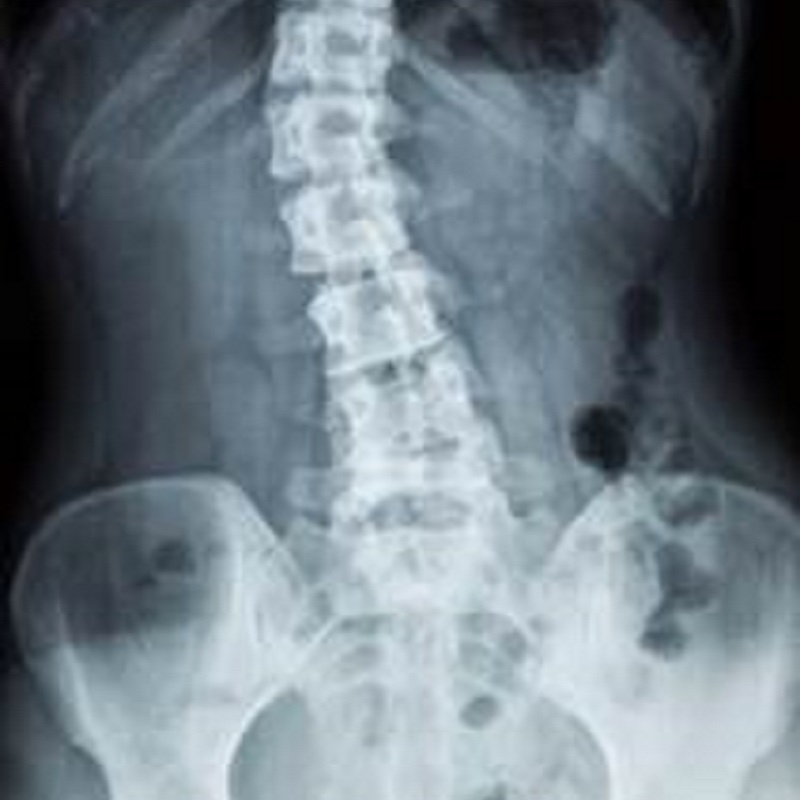
Back basic anatomy explained: (pending)
The low back region covers the lumbar spine and part of the pelvic region. The lumbar spine is composed of five spine vertebrae, and body weight is distributed through the lumbar spine to pelvic and sacrum.
The low back stability is fulfilled by co-ordination of transverse abdominis and segmental tonic muscle.
Common causes:
Back pain can be deliberating, affecting up to 80% of the population suffering from significant back pain at some point during their life. There are certain factors predisposing for back pain, overweight, poor sitting posture, weak body muscle for keeping good spinal alignment, sitting for long time, etc. Most of the back pain cannot be diagnosed with clear pathology, and it would be marked as "Somatic Pain". However, there are few source that might be able to account for the most known reason of back pain.
- Sprained / Strained low back muscle
- Prolapsed Inter-vertebral Disc
- Sprained / Strained ligament
- Osteoarthritis
- Facet Syndrome
- SpondylolisthesisScoliosis
- Lumbar Stenosis
Intervertebral Disc Herniation, Protrusion, Extrusion, Sequestration
Intervertebral disc pathology has the progressive degree of displacement. Intact of annulus fibrosis and degree of nucleus pulpous displacement indicate the severity of intervertebral disc pathology.
Here is DO and DON'T for PID patients. Do beware of posture when PID is suspected or diagnosed; Don't bending forward with turning trunk, as it would further push nucleus pulposus displaced. Do sitting with supported upright posture, it would help to relieve pain and back muscle tightness; Don't sit on a sofa, as the collapsed sitting posture would further deteriorate the condition. Do core muscle training, it should start ASAP; Don't sit for a long time, or putting on corset for too long time, as it will weaken back muscle and make the back pain become chronic.
Commonly seen related pain conditions