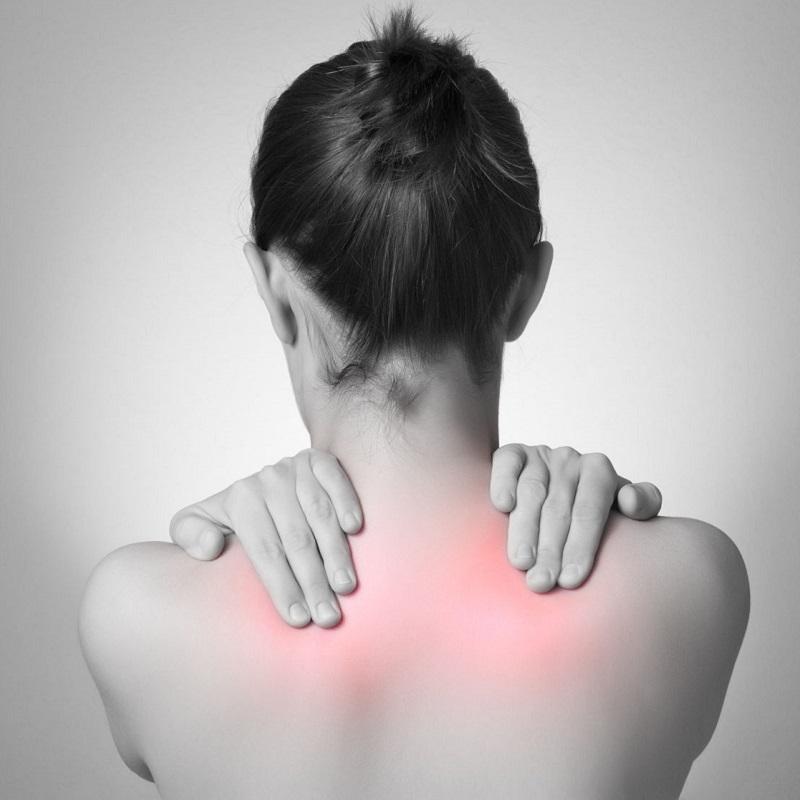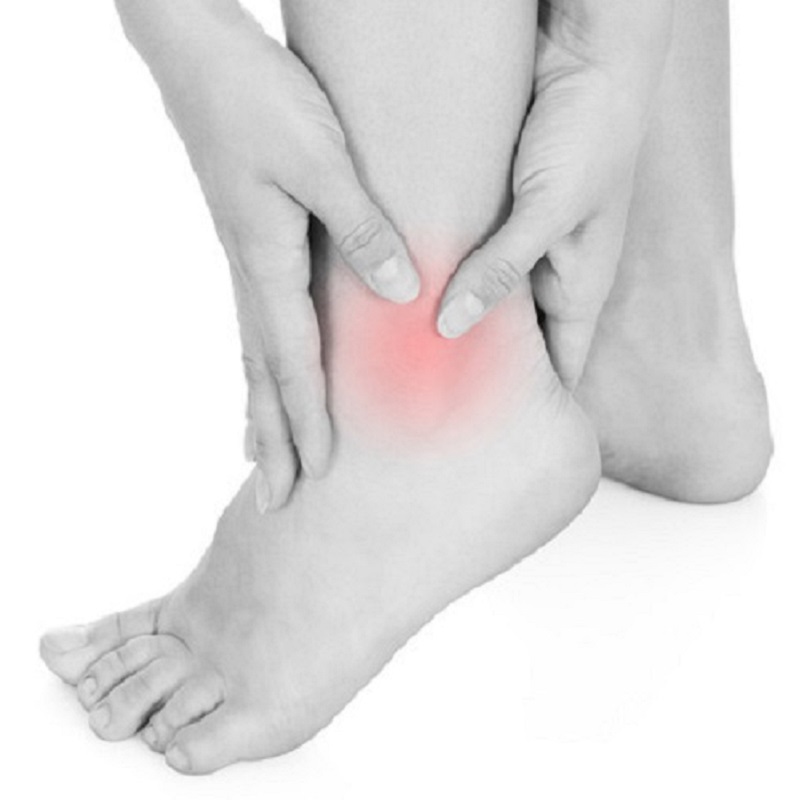

Sciatica is not a disease and it is a group of symptoms including abnormal sensation, muscle weakness and decreased reflex response, in specific area.

Risk and Contributing factors:
- Demographic characteristic: Age, Body weight, Smoking, Diabetes.
- Occupations: Regular lifting or whole body vibration (eg. drivers, site workers).
- Sedative life style.
- Poor lifting skills
- Bad sitting postures
- Inefficient ambulation: flat feet or knee deformity
Prevention and treatment
Self-care:
- Hot pack: applying hot pack for 15mins twice a day.
- Gentle stretching and mobilizing exercises: leg raising, knee rolling exercises.
- Self massage: gentle massage over buttock, outer thigh and lower leg area, for releasing muscle tightness.
Physiotherapy:
- Electotherapy
- Ultra-sound and shockwave therapy
- Dry Needling
- Motor control, directional exercises, ncural mobilisation
- Posture and ergonomic
Acupuncture and Chinese Medicine:
- Acupuncture
- Traditional Chinese Medicine
Western Medicine (Prescripted by orthopaedic doctor)
- X-ray or MRI for diagnosis
- NSAID medication
- Operation
Other symptoms associated with Sciatica:
- Limbing gait
- Abnormal hot or cold skin sensation
- Unusual sweating conditions
Sciatic nerve basic anatomy
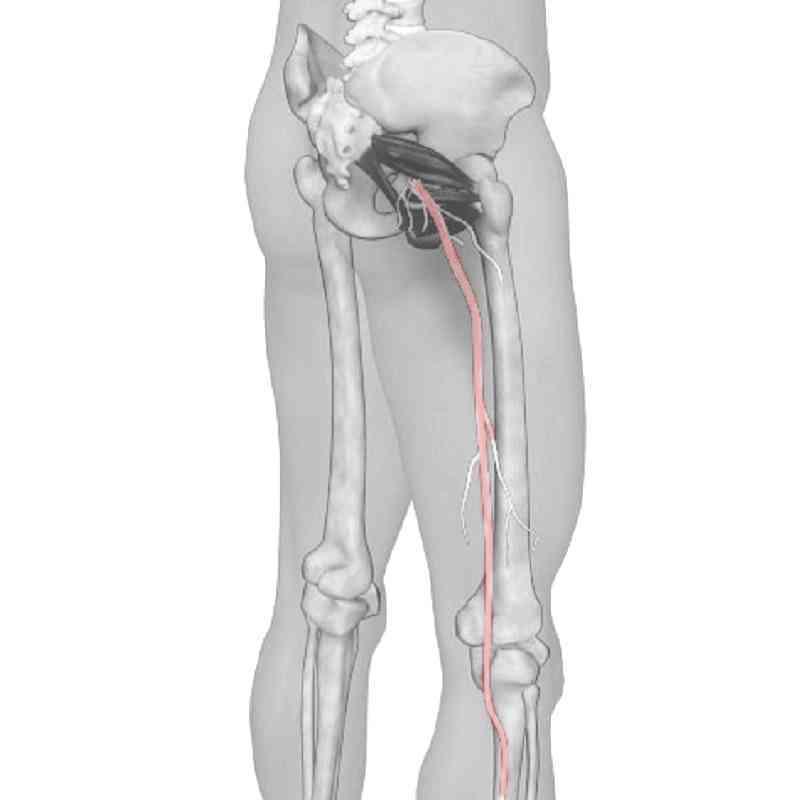
Sciatic nerve is formed from nerve roots from lower back to pelvic, namely, L4 to S3 nerves, running through or underneath the buttock muscle (“Piriformis muscle”), and with other nerves, supplying buttock or leg skin sensation or controlling muscles.
Sciatica is the neural symptoms as the sciatic nerve has being compressed. Either one of the level of its neural composition from L4 to S3 being impinged could cause sciatica. Therefore, within spinal canal conditions, such as intervertebral disc herniation, displaced vertebral bone, ligament inflammation and thickening, could compromise sciatic nerve function, causing Sciatica. Outside the spinal canal, Piriform syndrome is the most common external cause for sciatica.
Apart from MRI checking, Physical diagnosis is also important to understand the degree of symptoms and impact from the illnesses. Understanding area of abnormal sensation, muscle weakness or diminished reflex could help to differentiate source of problems.
Sciatica Symptoms
- Stretching or dull pain along the outer side of buttock and leg, or even down to ankle region
- Numbness, pins and needles, or burning feeling
- Leg muscles weakness, or muscle wasting
- Frequent cramping of calf muscle
- Diminished reflex response
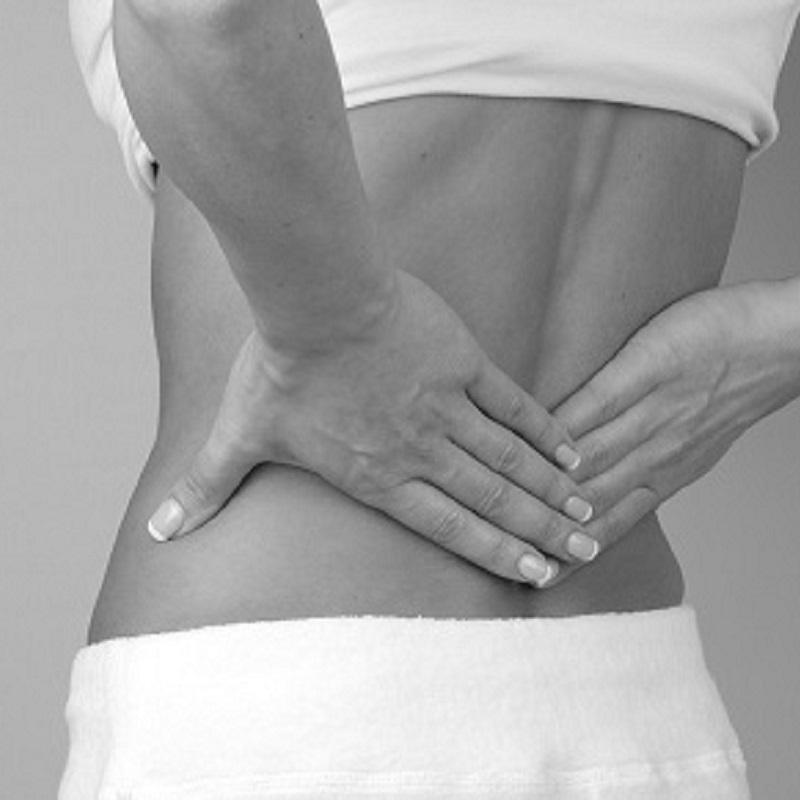
Sciatica main causes
- Protruded Inter-vertebral Disc
- Spinal stenosis
- Inter-vertebral joint degeneration
- Ligament Hypertrophy (eg. Ligamentum Flava)
- Spinal displacement (eg. Spondylolisthesis)
- Piriformis syndrome
- Sacroiliac joint dysfunction
Protruded Inter-vertebral Disc
This is a medical condition affecting spine in which the outer part of the disc protrudes or herniates into the spinal canal, causing inflammation or compressing on nerve. If the disc compresses the cauda equina, it will result in cauda equina syndrome which is a emergency conditions and needs hospitalisation treatment.
Spinal Stenosis
Spinal stenosis is a conditions that occurs when the narrow spinal canal being compressed for its nerve root and spinal cord, resulting in several neurological symptoms. Sources of compression include facet joint degeneration, ligament thickening (Ligamentum Flava)
HOW TRADITIONAL CHINESE MEDICINE AND PHYSIOTHERAPY HELP?
-
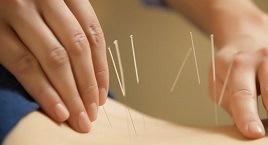 Acupuncture / Dry needling
Pain relief and claming down emotion.
-
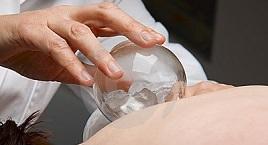 Cupping therapy
Release neck and shoudler tightness.
-
 Herbal Remedies
Balancing and improve body constitution.
-
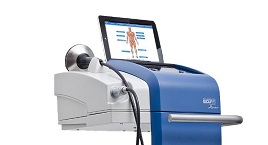 Physiotherapy
Electrotherapy, ultrasound or spinal manual therapy.
-
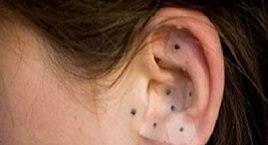 Ear Stimulation
Long lasting pain relief and claming down.
-
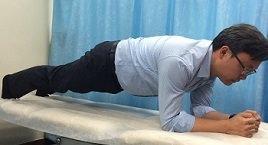 Physiotherapy Exercise
Directional exercises, motor control or neural mobilisation.
References:
Fairag, M., Kurdi, R., Alkathiry, A., Alghamdi, N., Alshehri, R., Alturkistany, F. O., Almutairi, A., Mansory, M., Alhamed, M., Alzahrani, A., & Alhazmi, A. (2022). Risk factors, prevention, and primary and secondary management of sciatica: An updated overview. Cureus. https://doi.org/10.7759/cureus.31405
Liu, S., Wang, Z., Su, Y., Qi, L., Yang, W., Fu, M., Jing, X., Wang, Y., & Ma, Q. (2021). A neuroanatomical basis for electroacupuncture to drive the vagal–adrenal axis. Nature, 598(7882), 641–645. https://doi.org/10.1038/s41586-021-04001-4
Commonly seen related pain conditions: